Existencias confirmadas 110 min hace
Phalaenopsis magenta real en cerámica rosa
- para que podamos calcular el precio de la entrega
- 1 persona añadido artículo a tu lista
- Consigue 14.45 bonus
- Al Mataa Blooms - Supertienda. Las Supertiendas son tiendas con valoraciones excelentes que hacen todo lo posible por ofrecer un servicio de calidad.
Ya se ha trasplantado la planta. No es necesario trasplantar justo después de la compra
Dimensiones
- Anchura - 15 cm
- Altura - 70 cm
Fabricante
Al Mataa Blooms, Emiratos Árabes Unidos
País de fabricación
Emiratos Árabes Unidos
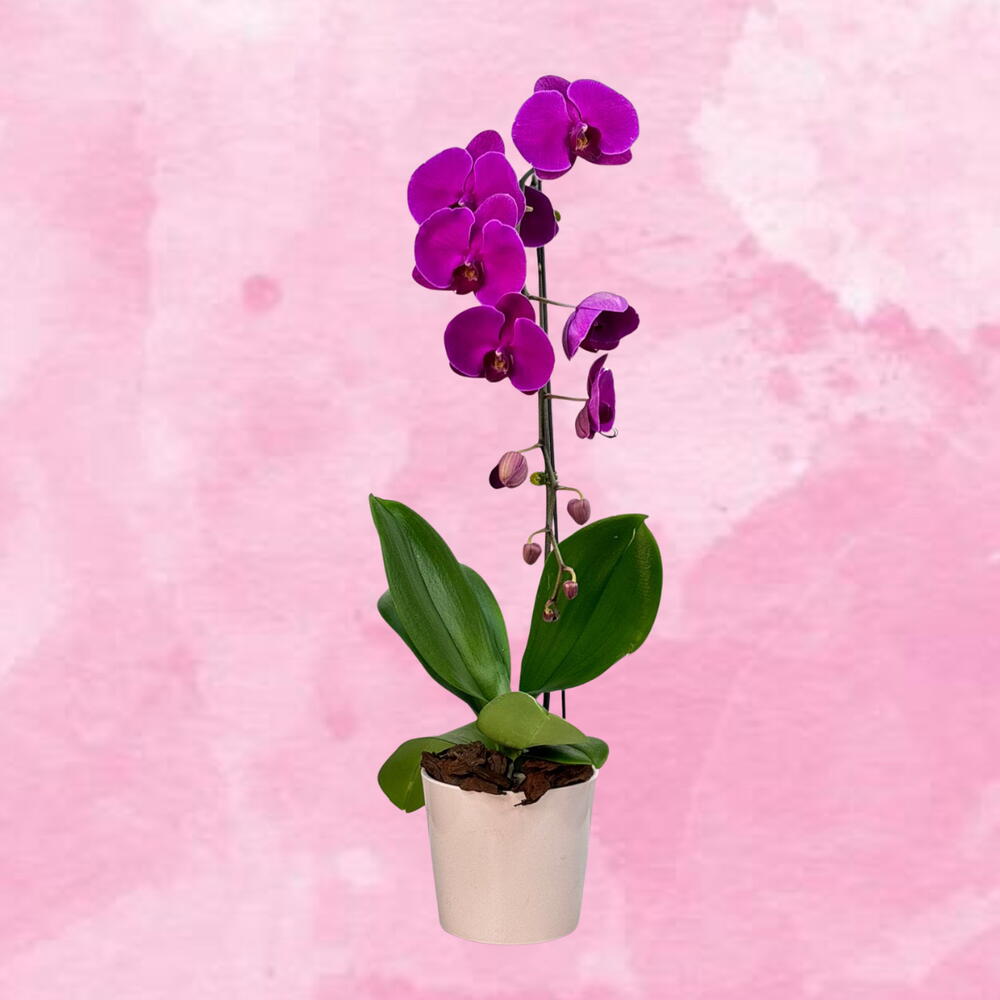
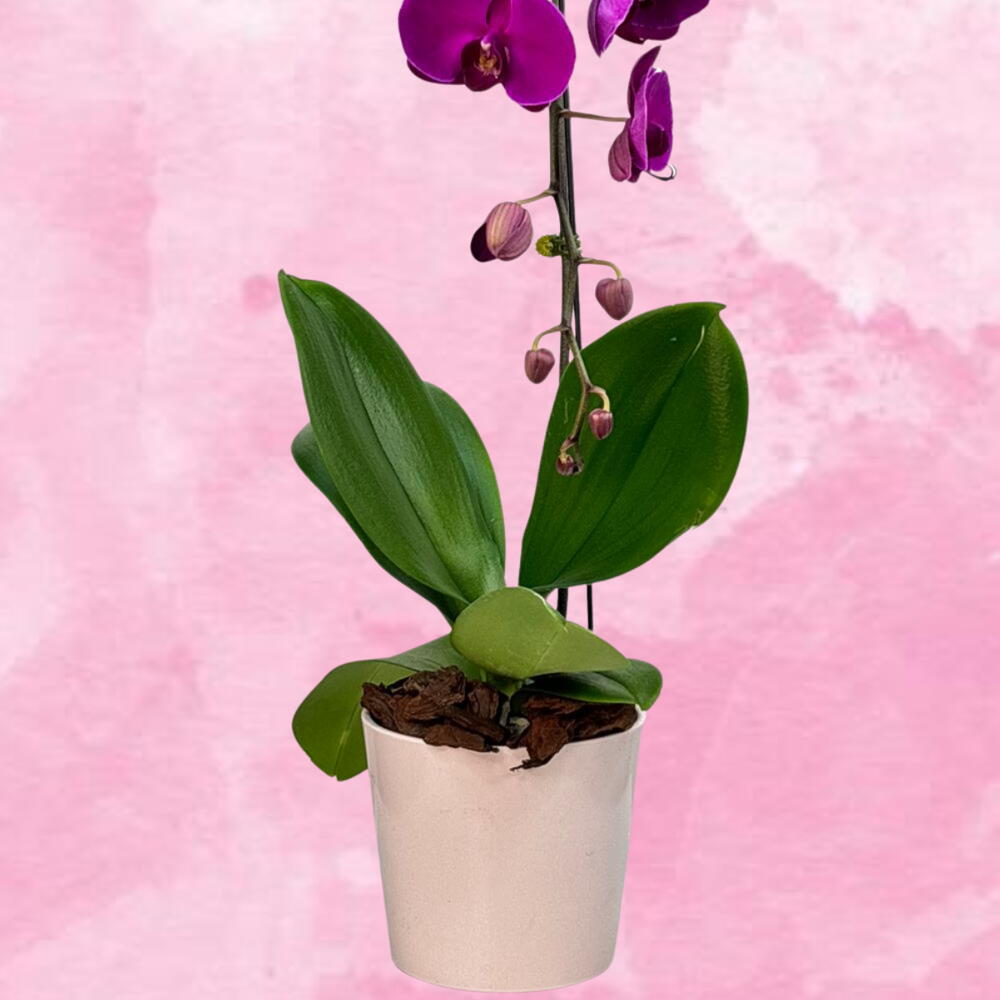
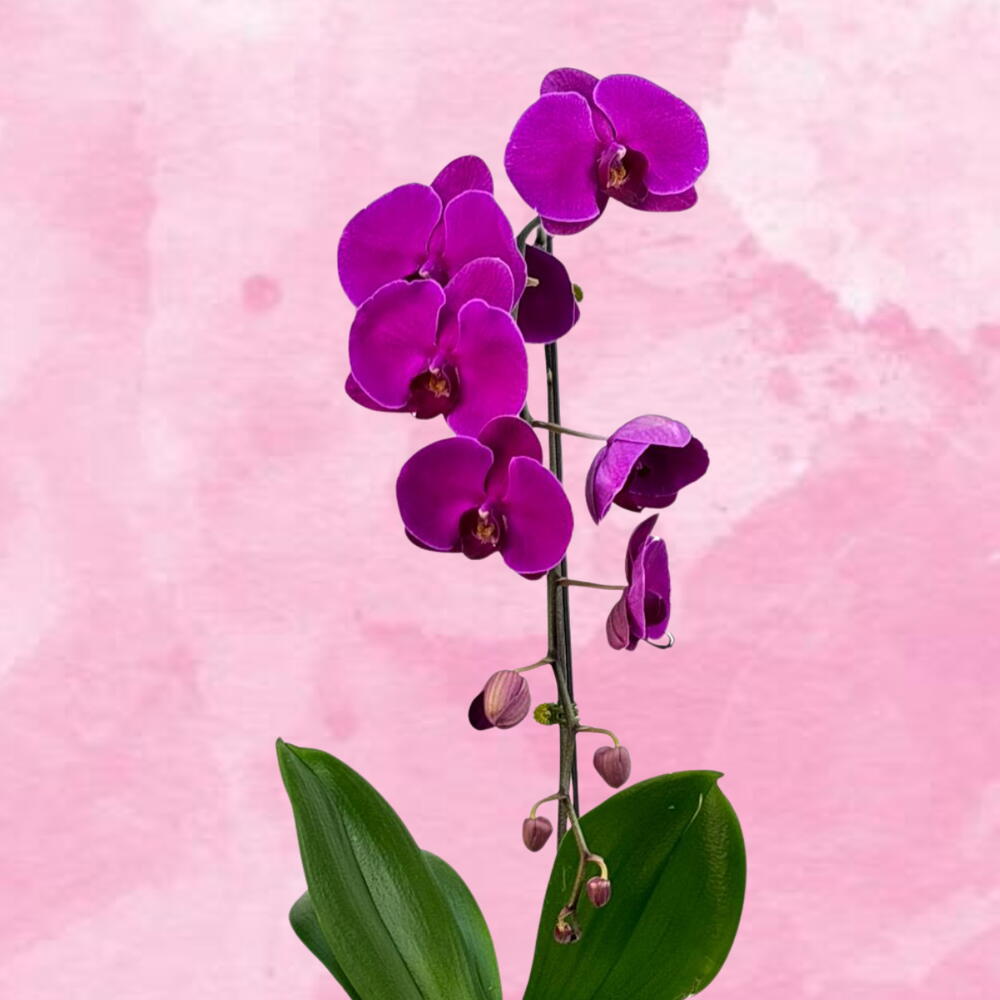
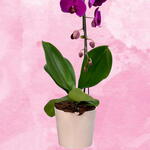
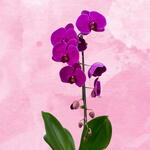
Bring a touch of regal beauty into your home with this striking Deep Magenta Phalaenopsis Orchid. Known for its long-lasting blooms and sculptural silhouette, this orchid comes perfectly nested in a premium, matte blush ceramic vase. It’s more than a plant; it’s a living masterpiece.
Guía de cuidados
1. Light Requirements • Bright, Indirect Light: These orchids need substantial light but must be kept out of direct sunlight, which can burn their delicate leaves. • Ideal Placement: An east-facing window is usually best for gentle morning light. Shaded south or west windows are also acceptable if you use sheer curtains to diffuse harsh rays. • Indicator: Check leaf color; vibrant emerald green indicates healthy light levels. Dark green suggests too little light, while yellowish-green or reddish-tinged edges indicate too much. 2. Watering and Humidity • Check the Mix: Water only when the potting medium feels dry to the touch, usually every 7 to 10 days. • Proper Technique: Thoroughly soak the medium and allow all excess water to drain away. Never let the plant sit in standing water, as this quickly leads to root rot. • Avoid the Crown: Be careful not to get water in the "crown" (the center where leaves meet) or on the foliage, as trapped water can cause rot. • Humidity: Aim for 50–70% humidity. You can use a humidifier or a "pebble tray"—a saucer filled with water and pebbles where the pot sits above the water line. 3. Temperature and Fertilizer • Standard Home Temps: They thrive in daytime temperatures between 65°F and 85°F (18°C–29°C) and slightly cooler nights. • Bloom Induction: To encourage new flower spikes in the fall, provide several weeks of cooler night temperatures (around 55°F–60°F). • Feeding: Use a balanced orchid fertilizer. A common method is "weakly, weekly"—applying a diluted (1/4 strength) dose every time you water during the growing season. Reduce feeding to once a month in winter. 4. Potting and Maintenance • Media: Always use a well-draining orchid-specific mix, typically containing bark, charcoal, and perlite, rather than standard potting soil. • Repotting: Repot every 1 to 2 years once the potting mix begins to break down or the plant outgrows its container. The best time to do this is right after the blooming cycle has finished. • Post-Bloom Care: Once flowers fade, you can cut the spike above the second node from the bottom to potentially encourage a secondary bloom, or cut it off entirely at the base to let the plant focus energy on new growth.
Bring a touch of regal beauty into your home with this striking Deep Magenta Phalaenopsis Orchid. Known for its long-lasting blooms and sculptural silhouette, this orchid comes perfectly nested in a premium, matte blush ceramic vase. It’s more than a plant; it’s a living masterpiece.
Guía de cuidados
1. Light Requirements • Bright, Indirect Light: These orchids need substantial light but must be kept out of direct sunlight, which can burn their delicate leaves. • Ideal Placement: An east-facing window is usually best for gentle morning light. Shaded south or west windows are also acceptable if you use sheer curtains to diffuse harsh rays. • Indicator: Check leaf color; vibrant emerald green indicates healthy light levels. Dark green suggests too little light, while yellowish-green or reddish-tinged edges indicate too much. 2. Watering and Humidity • Check the Mix: Water only when the potting medium feels dry to the touch, usually every 7 to 10 days. • Proper Technique: Thoroughly soak the medium and allow all excess water to drain away. Never let the plant sit in standing water, as this quickly leads to root rot. • Avoid the Crown: Be careful not to get water in the "crown" (the center where leaves meet) or on the foliage, as trapped water can cause rot. • Humidity: Aim for 50–70% humidity. You can use a humidifier or a "pebble tray"—a saucer filled with water and pebbles where the pot sits above the water line. 3. Temperature and Fertilizer • Standard Home Temps: They thrive in daytime temperatures between 65°F and 85°F (18°C–29°C) and slightly cooler nights. • Bloom Induction: To encourage new flower spikes in the fall, provide several weeks of cooler night temperatures (around 55°F–60°F). • Feeding: Use a balanced orchid fertilizer. A common method is "weakly, weekly"—applying a diluted (1/4 strength) dose every time you water during the growing season. Reduce feeding to once a month in winter. 4. Potting and Maintenance • Media: Always use a well-draining orchid-specific mix, typically containing bark, charcoal, and perlite, rather than standard potting soil. • Repotting: Repot every 1 to 2 years once the potting mix begins to break down or the plant outgrows its container. The best time to do this is right after the blooming cycle has finished. • Post-Bloom Care: Once flowers fade, you can cut the spike above the second node from the bottom to potentially encourage a secondary bloom, or cut it off entirely at the base to let the plant focus energy on new growth.
Una parte del texto en la página ha sido traducida automáticamente
Valoraciones y opinión
Artur Nasyrov
Esta semana
Dmitrii
Marzo 2026
Excellent
Traducir a Español
Remitente
Marzo 2026
Remitente
Marzo 2026
Remitente
Marzo 2026
Very good customer service, fast, reliable, easy communication. As well, loved the quality of the flowers.
Traducir a Español
87 valoraciones • 70 compras
Iniciar una reclamación por el artículo
Otros artículos de esta tienda